
Paul Doll’s Unraveling
The Zone of InterestThis thread follows Doll’s escalating efforts to defend his authority and normality as the war, his marriage, and the camp expose his inner collapse.
increasing Bearing strength in each event
 decreasing
Bearing strength in each eventdecreasingThe Normal Man’s Claim
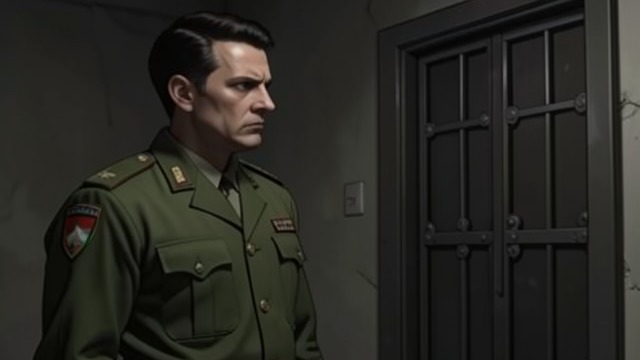
The Normal Man’s Claim
A self-protective refrain
Paul Doll repeatedly insists that he is normal and has ordinary needs. He treats his administrative duties, sexual entitlement, and appetite for drink as compatible with a respectable self-image.
Denial as a defense
The insistence grows more emphatic as the evidence around him becomes harder to ignore. His narration reveals not stability but a desperate need to control how he is seen.
The Ramp’s Failed Reassurance
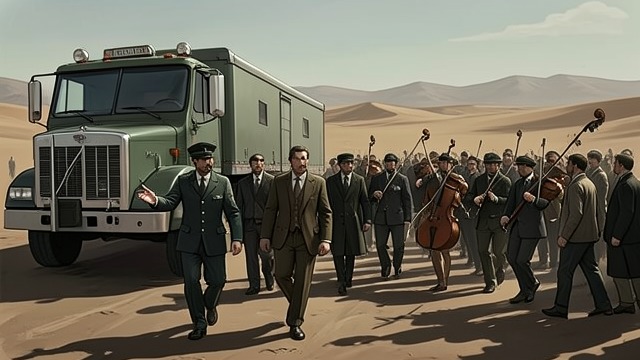
The Ramp’s Failed Reassurance
A reception built on lies
Doll welcomes passengers from Special Train 105 with promises of showers, food, and work. When a truck exposes the camp’s dead, he orders the orchestra to play and leads the arrivals onward.
Procedure conceals murder
Doll later focuses on transport costs and administrative accounting. His ability to treat deception and mass killing as logistical problems reveals the moral emptiness behind his performance of command.
The Injured Face
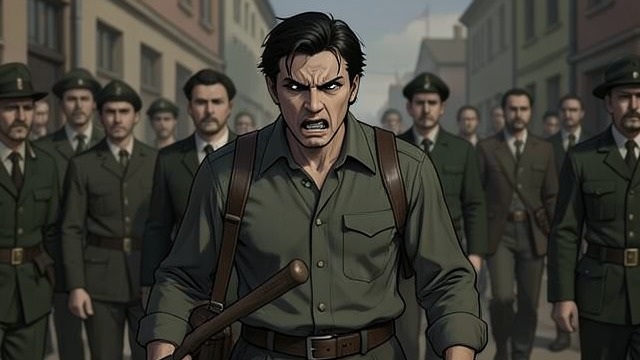
The Injured Face
A wound becomes an excuse
A shovel accidentally strikes Doll on the nose, leaving conspicuous black eyes. He resents the damage to his authority more than its physical pain and supplies an account that protects his standing.
Retaliation follows
Bohdan is transferred and killed, while Torquil is also dead. Doll’s injured pride helps set the machinery of punishment in motion, demonstrating how personal vanity becomes lethal power.
The November Speech
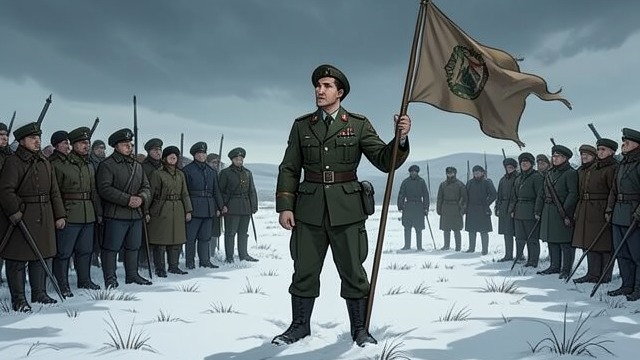
The November Speech
A ritual of invented glory
Doll delivers a sprawling memorial address to the failed 1923 putschists, presenting their deaths as sacred sacrifice. Brown snow falls as he praises the movement and displays the Blood Flag.
Public ceremony, private instability
The speech exposes the absurdity and cruelty of Nazi mythmaking. Doll falters under the performance, while the cold and the camp’s realities undermine his attempt to command reverence.
The Final Self-Recognition
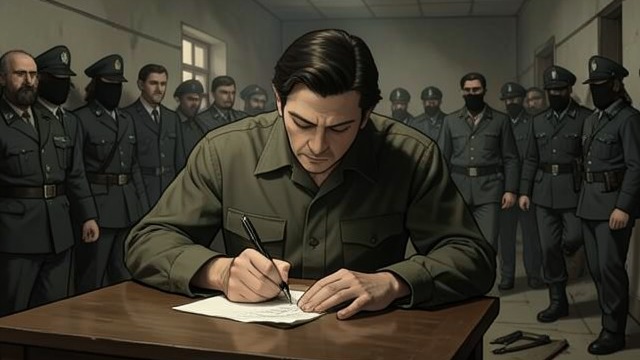
The Final Self-Recognition
A belated admission
Captured and tried at Nuremberg, Doll writes that he has sinned gravely against humanity. His statement recognizes guilt, but comes only after his authority has been destroyed.
Judgment follows the regime
The Polish authorities execute him outside Bunker 11. The ending supplies a legal consequence for his crimes without suggesting that a confession can undo what he did.
August 1942, early in Doll’s narration
August 1942, during Special Train 105
September 1942, after Bohdan strikes Doll accidentally
November 9, 1942, at the camp memorial
April 1947, after his postwar trial
